Agricultural news

425608 ashwagandha 4 10
Agricultural news

₹10 Lakh Income from Just 4 Acres: This Is What Modern Farming Looks Like!

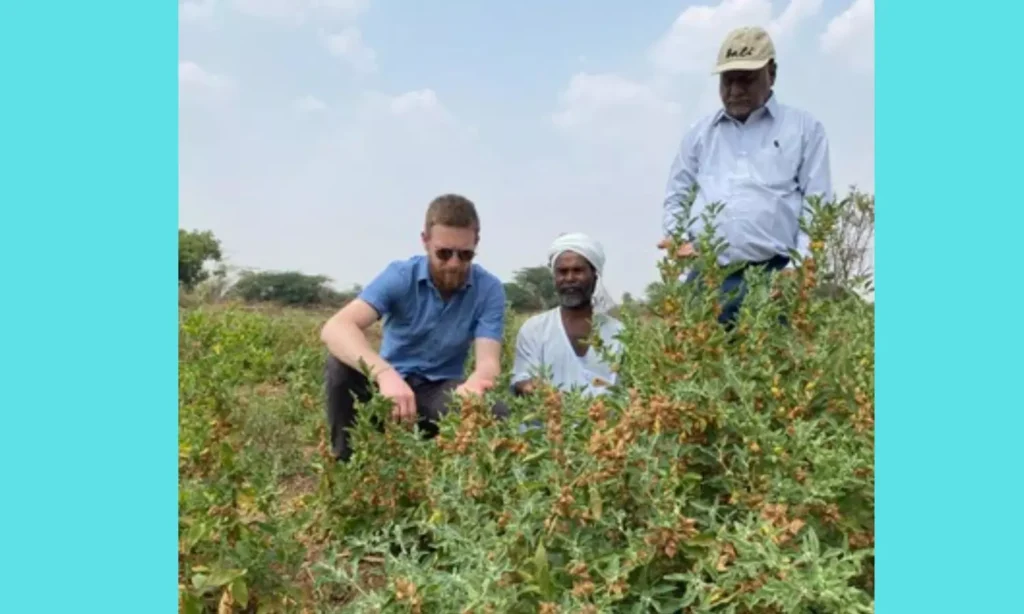
Modern agriculture is proving that farming can be both profitable and sustainable when scientific methods, proper planning, and market-oriented crops are adopted. A farmer has demonstrated that it is possible to earn nearly ₹10 lakh from just four acres of land through innovative farming practices and efficient crop management. Instead of relying solely on traditional crops, many progressive farmers are turning to high-value horticultural crops, vegetables, fruits, flowers, and integrated farming systems. By adopting drip irrigation, quality seeds, organic inputs, and modern cultivation techniques, they are significantly increasing productivity and reducing costs. Experts say that success in agriculture today depends on crop selection, market demand, water management, and the use of modern technology. Farmers who diversify their crops and focus on value-added produce often achieve higher profits than those following conventional methods alone. The success story serves as an inspiration for other farmers, proving that agriculture is not merely a livelihood but can also be a profitable enterprise. With proper planning, dedication, and the adoption of advanced farming techniques, even a small landholding can generate substantial income and improve the economic well-being of farming families. This example highlights the growing potential of modern farming and encourages farmers to explore innovative agricultural practices for better returns and long-term sustainability.

425117 pandiri kakara sagu
Agricultural news

Pandiri Bitter Gourd Cultivation: A Profitable Crop That Brings Sweet Returns to Farmers

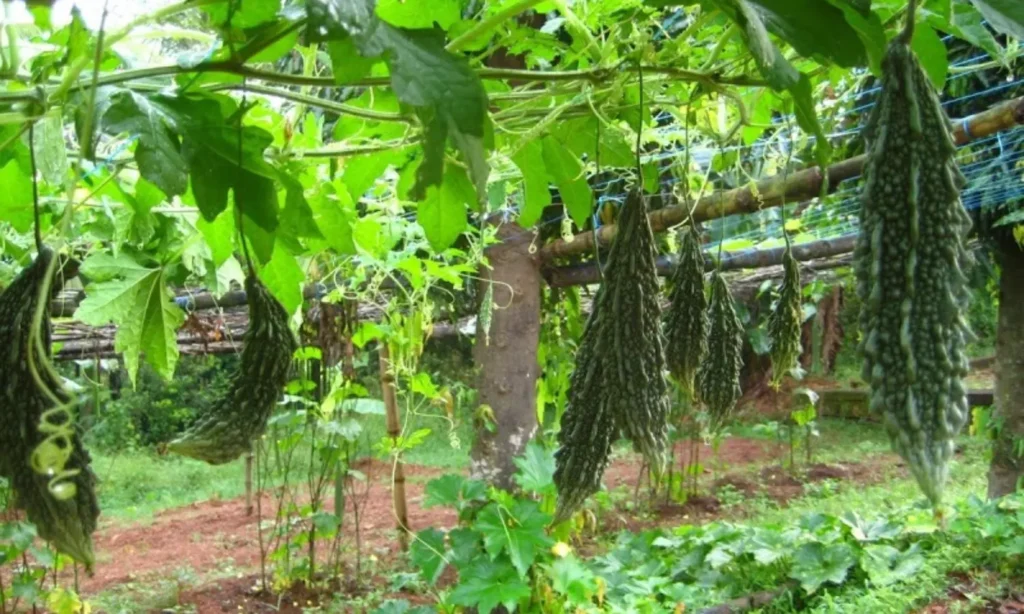
Pandiri (trellis-based) bitter gourd cultivation has become a highly profitable farming practice, offering farmers consistent income and attractive returns. Although bitter gourd is known for its bitter taste, its cultivation is proving to be a sweet success for many growers due to strong market demand and good yield potential. The trellis system allows the vines to grow vertically, improving sunlight exposure, air circulation, and fruit quality. This method not only increases productivity but also reduces pest and disease incidence, making crop management easier. Farmers can harvest healthy, uniform fruits that fetch better prices in the market. Bitter gourd is widely consumed for its nutritional and medicinal benefits. The growing demand from households, supermarkets, and vegetable markets ensures a steady market throughout the year. With proper irrigation, nutrient management, and pest control, farmers can obtain multiple harvests from a single crop cycle. Agricultural experts recommend trellis cultivation as it maximizes land utilization and significantly boosts yields compared to traditional ground cultivation methods. Although the initial investment for setting up the pandiri structure may be slightly higher, the increased production and better-quality fruits help farmers recover costs quickly. With rising consumer demand and the potential for continuous harvesting, pandiri bitter gourd cultivation has emerged as a dependable and profitable option, providing farmers with sustainable income and long-term economic benefits.

425110
Agricultural news

Agri Digitalization and Fake Seeds: Farmers Continue to Suffer Despite Existing Laws, Experts Express Concern

Agricultural experts have raised serious concerns over the increasing challenges faced by farmers due to fake seeds and gaps in the implementation of agricultural regulations. While governments have introduced several laws and digital initiatives to improve transparency and efficiency in the agriculture sector, many farmers continue to incur significant losses because of counterfeit agricultural inputs. Experts point out that agricultural digitalization has helped streamline services such as crop registration, subsidy distribution, market information, and farmer databases. However, the problem of fake seeds, fertilizers, and pesticides remains widespread in several regions, affecting crop productivity and farmers’ incomes. Farmers often invest large amounts of money in purchasing seeds with the expectation of good yields. When counterfeit or low-quality seeds fail to germinate or produce expected results, farmers suffer financial setbacks and reduced harvests. Despite strict regulations and penalties against manufacturers and distributors of fake agricultural products, enforcement challenges continue to exist. Agriculture specialists have called for stronger monitoring systems, improved quality checks, and greater awareness among farmers. They also recommend using digital traceability systems, certified seed suppliers, and technology-driven verification methods to help farmers identify genuine products. According to experts, combining effective digital agriculture initiatives with strict enforcement of seed quality regulations is essential to protect farmers’ interests. Strengthening these measures can reduce fraud, improve crop productivity, and ensure sustainable growth in the agricultural sector.

425508 rythu bharosa 2026
Agricultural news

Big Update on Rythu Bharosa: Funds to Be Credited Directly to Eligible Farmers’ Accounts

The government has announced a major update regarding the Rythu Bharosa scheme, bringing relief and financial support to thousands of farmers. Under the latest phase of the program, financial assistance will be directly credited to the bank accounts of eligible beneficiaries through the Direct Benefit Transfer (DBT) system. The initiative aims to ensure transparency, eliminate delays, and provide timely financial assistance for agricultural activities. Farmers can utilize the funds for purchasing seeds, fertilizers, pesticides, farm equipment, and other essential inputs required for cultivation. Officials have advised farmers to verify their bank account details, Aadhaar linkage, and beneficiary status to avoid any issues during the fund transfer process. Those whose details are correctly updated in government records will receive the assistance directly in their accounts. The Rythu Bharosa scheme continues to play a crucial role in supporting farmers by reducing financial burdens and encouraging agricultural productivity. The latest update is expected to benefit lakhs of farmers, helping them prepare for the upcoming cropping season with greater confidence and financial security.

426345 flower farming
Agricultural news

Flower Farming During the Monsoon: High Yields for the Festive Season

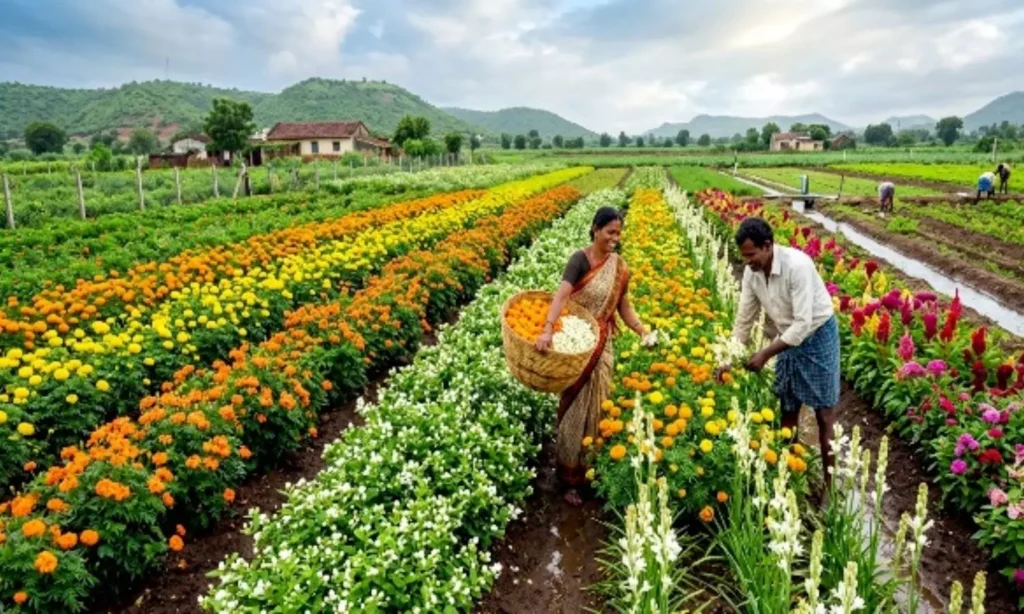
Flower cultivation during the monsoon season offers a promising opportunity for farmers to earn higher profits, especially with the festive season approaching. Adequate rainfall, favorable temperatures, and improved soil moisture during this period create ideal conditions for the growth of many flower crops such as marigold, jasmine, chrysanthemum, rose, and tuberose. Farmers who plant flower crops during the rainy season can expect healthy plant growth and abundant flowering in time for major festivals, weddings, and religious events, when market demand is at its peak. The increased demand often leads to better prices, providing growers with attractive returns on their investment. Agricultural experts advise farmers to ensure proper drainage in flower fields to prevent waterlogging and disease outbreaks. Regular monitoring, timely application of fertilizers, and effective pest management are essential for maintaining flower quality and maximizing yields. With careful planning and scientific cultivation practices, monsoon flower farming can become a profitable venture. The combination of favorable growing conditions and strong festive demand makes this season an ideal time for farmers to cultivate flower crops and secure abundant harvests.

426577
Agricultural news

Lakshmana Fruit Cultivation: The Right Time for Farmers to Reap Profits

Lakshmana fruit cultivation is emerging as a profitable agricultural venture for farmers due to its growing market demand and medicinal value. Agricultural experts suggest that the present season is ideal for starting Lakshmana fruit cultivation, as favorable weather conditions help in better plant establishment and healthy growth. This fruit crop requires well-drained soil, moderate irrigation, and proper nutrient management. Farmers can achieve good yields with relatively low investment compared to many traditional crops. The plant is known for its resilience and can adapt to different climatic conditions, making it suitable for cultivation in several regions. With increasing awareness about herbal and medicinal products, the demand for Lakshmana fruit has been steadily rising in domestic and international markets. Farmers are encouraged to adopt scientific cultivation practices, use quality planting material, and seek guidance from agricultural experts to maximize returns. Agriculture officials believe that Lakshmana fruit cultivation can provide an additional source of income and help farmers diversify their crops. As the planting season begins, this is considered the most suitable time for farmers to take advantage of the opportunities offered by this promising crop.

10745 28 5 2026 17 48 27 1 img 20260528 wa0038
Agricultural news

Rayalaseema Farmers Gear Up for Kharif Season Amid El Niño Concerns

Farmers across the Rayalaseema region of Andhra Pradesh are preparing for the 2026 kharif season with a mix of optimism and caution as concerns over the impact of El Niño continue to grow. Despite forecasts of below-normal rainfall, agricultural activities have already begun in districts such as Anantapur, Sri Sathya Sai, Chittoor, Annamayya, Kurnool, and Kadapa. (Tridge) Agriculture Department officials expect a significant cultivation area during the upcoming season. Groundnut, the principal crop of Rayalaseema, is expected to cover large tracts of farmland, particularly in Sri Sathya Sai district. Farmers are also planning to cultivate red gram, paddy, tomato, millets, and other drought-tolerant crops. (Tridge) However, meteorologists and agricultural experts have warned that El Niño conditions could lead to erratic monsoon patterns, prolonged dry spells, and reduced rainfall. Such conditions may affect soil moisture levels, crop growth, and overall productivity. Authorities have advised farmers to avoid water-intensive crops and adopt climate-resilient farming practices to minimize risks. (Deccan Chronicle) To support farmers, the government has strengthened contingency plans, promoted drought-resistant crop varieties, and encouraged efficient water management techniques. Farmers are also being guided to make use of weather advisories, crop insurance schemes, and modern irrigation methods. (The Economic Times) Recent monsoon showers have provided some relief and renewed hopes for a productive season. While uncertainties remain, Rayalaseema’s farming community is preparing to face the challenges with resilience, careful planning, and adaptive agricultural practices. (The New Indian Express)

Listings
News
Home
Jobs
Contact